
Case study · Video and motion
Tallo Video System
Short videos about big career decisions, and the system that kept them coming.
- Role
- Multimedia Designer, then Head of Creative
- Where
- Tallo, May 2025 to Nov 2026. Design Garden, my own program.
- Tools
- DaVinci Resolve, Jitter, Capsule, Canva, Claude Code, Remotion
- Background
- Film at UT Austin, then game cinematics for BioWare and Trion Worlds.
- episodes published in the career series
- 12episodes published in the career series
- from live session to finished episode
- 1 hour to under 3 minutesfrom live session to finished episode
- TikTok followers in 11 months
- 1,750 to 11,700*TikTok followers in 11 months
* Made mostly by our social media manager and interns, using my production guide. Includes one video with 1.4 million views. Counted after a paid campaign ended.
01 What I owned
The scripts, the edit, the motion and the rules
- 01Story arcs and scripts for the career discovery series
- 02Editing, captions and sound in DaVinci Resolve
- 03Motion graphics, from title cards to full animated sequences
- 04The video guidelines and production guides our team and interns worked from
02 The series
An hour of Zoom, under three minutes of story
Entrepreneurship, Ep 1.
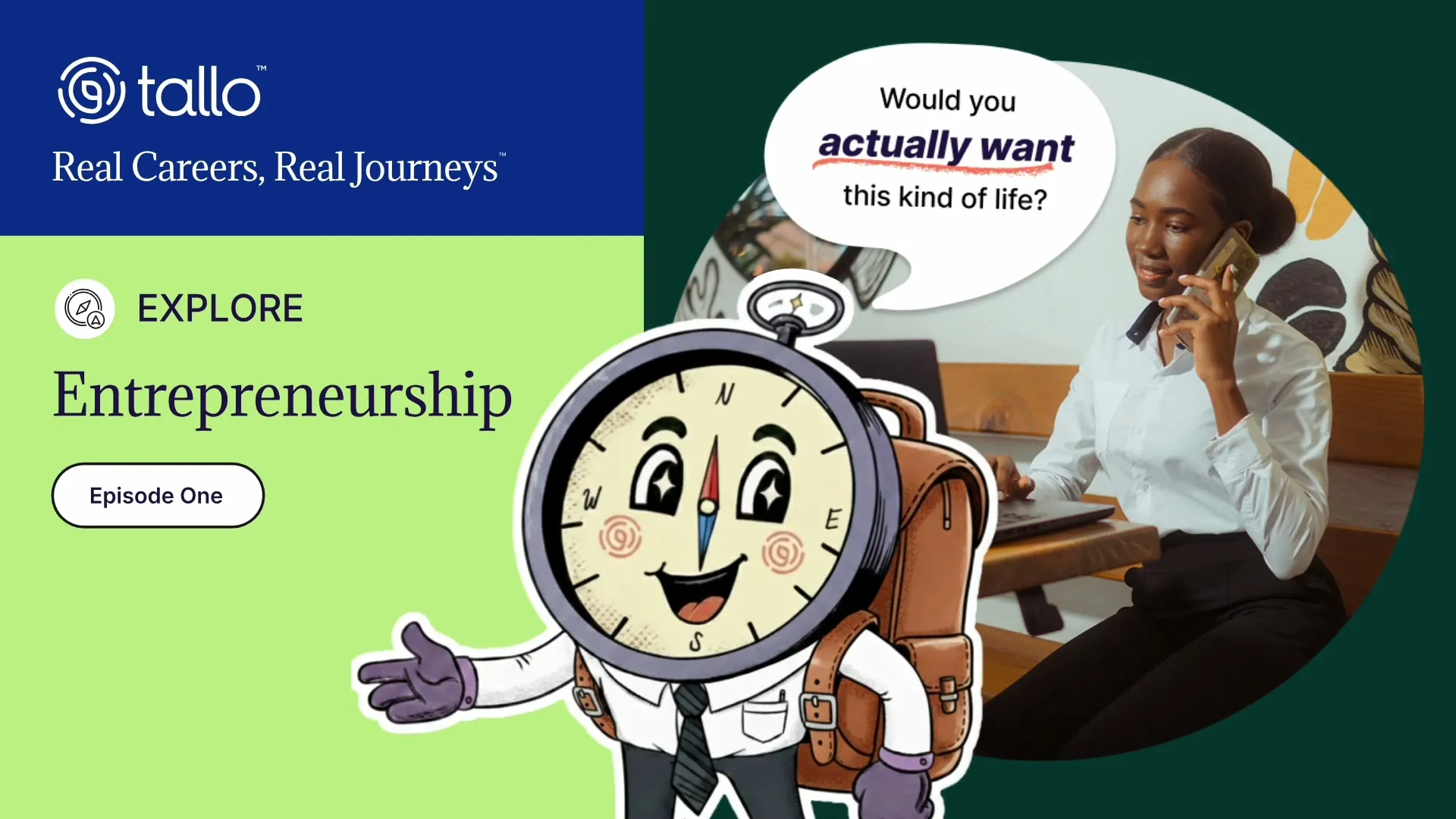
Tallo had hours of recorded sessions with working professionals, and young people asking the questions those sessions could answer. I designed a series to connect them: three episodes per topic, each under three minutes. We’ve published 12.
The order never changes. Episode one asks if you’d want this life. Episode two shows how to get there. Episode three is real talk about what it costs.
Each session ran about an hour with setup. A trim pass got it down to a longform version, then I found the moments that answer each question and cut it down even further around them. On Music Careers, I wrote the host script and hosted it on camera. On Mental Health, an intern wrote and hosted the bridges, I helped refine the script, and I cut Ep 1.
After running it twice, I wrote the process down and made it a skill the team could call up in our brand system. A writer used it to plan a new month’s series on their own, and I built the challenge from their plan.
The rules did the most work. Captions get checked by hand. Clips start mid answer. No music swells over a hard story, and no cut ends on the hardest moment.
We kept learning too. A text prompt with no voice felt jarring, as if someone asked a question and nobody spoke. We narrated the ask from then on, and that went in the guide.
03 Channels and collaborators
Same program, a different reason to say yes
Teachers and counselors heard “No prep for you.”
Volunteers heard “Share your career story with students.”
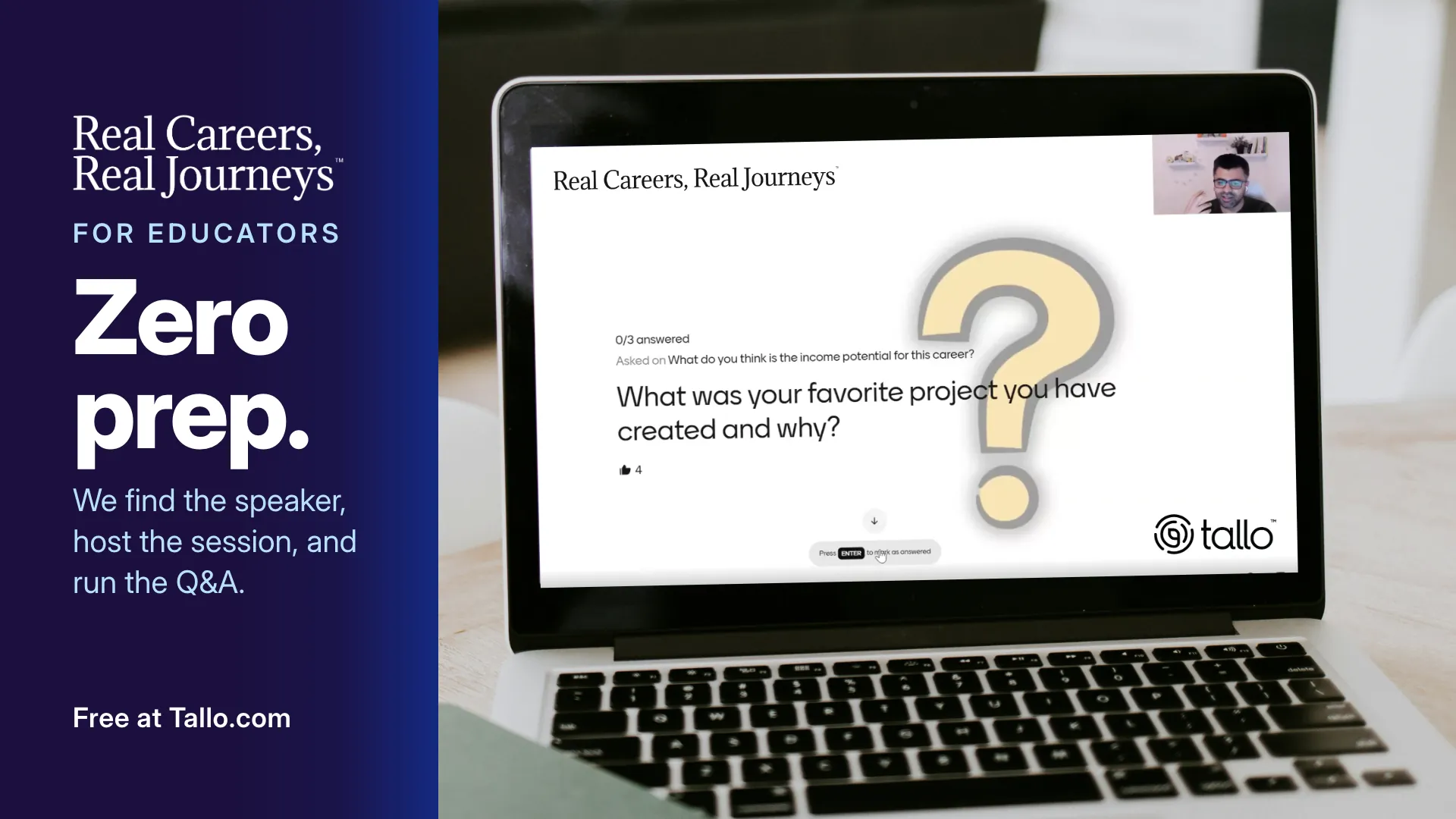

Real Careers, Real Journeys had to win over two very different audiences. Volunteers heard “Share your career story with students.” Teachers and counselors heard “No prep for you.”
Our social media manager used the brand system to start the educator cut from the volunteer trailer. I wrote a new voiceover on the same beats, so the pacing would still hold. The old graphics had black gaps and stats that didn’t match, so I rebuilt every graphic section in code with Claude Code and retimed it to the voiceover. It went through six versions in one day, with tests of a music score, voice only, and voice with sound effects.
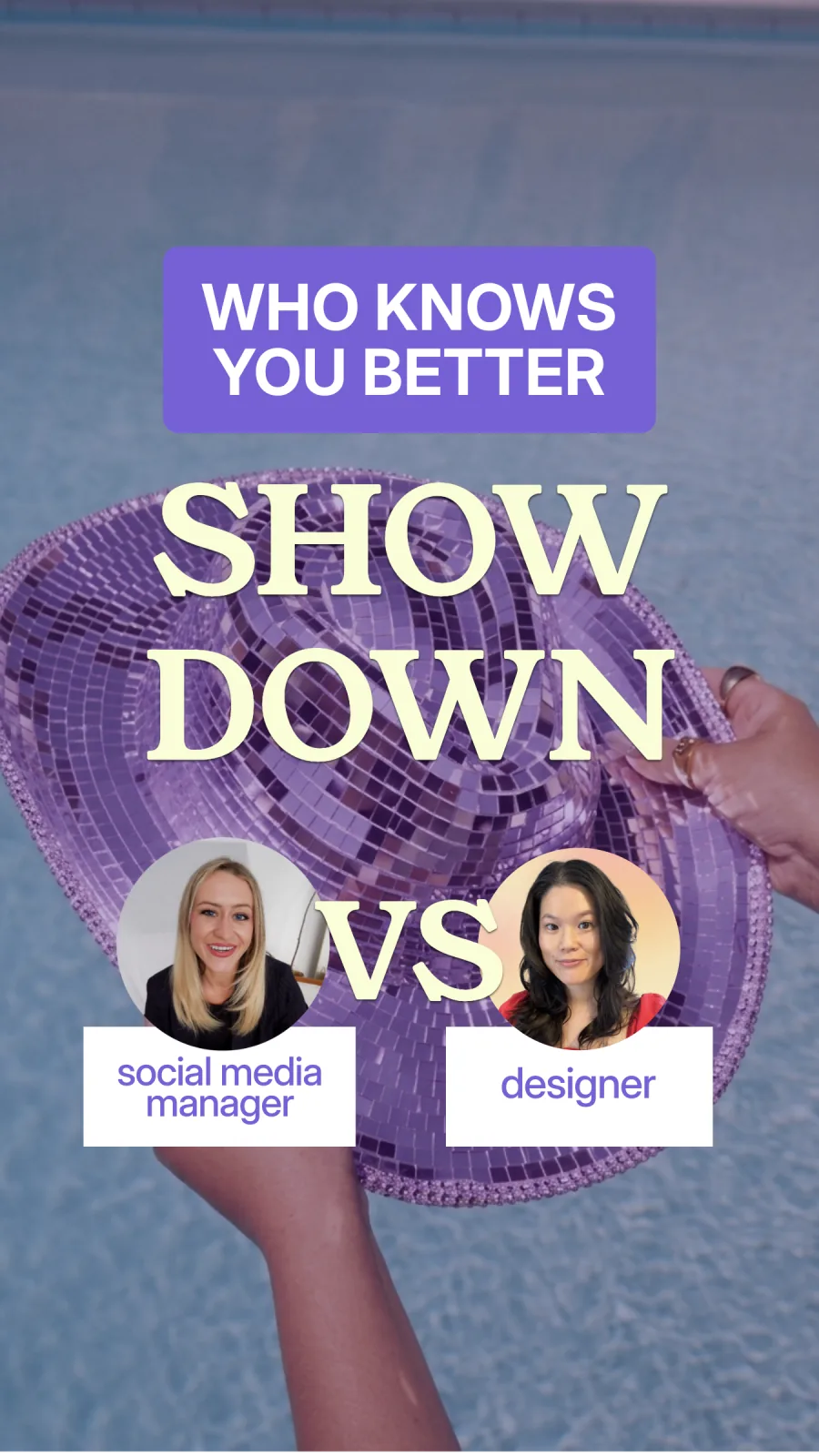
Episodes changed shape for their channel too. Entrepreneurship Ep 1 became a vertical teaser for social, cut down to 44 seconds.
I work in whatever gets the video out. My edits run through DaVinci Resolve, Jitter and Capsule, and the educator video ran on code. Teammates finished in CapCut or Resolve. The rough cut gives any editor a clear target, so people can use the tool they’re fastest in.
With interns, I start where they are. One wrote and shot No Tutorial (opens in a new tab), and I edited it and added the motion graphics. Another wrote and hosted the bridges on Mental Health, and I helped refine the script.
04 The video system
Standards that survive the handoff
I wrote Tallo’s video guidelines so our look didn’t depend on who was editing. They cover logo and watermark rules, type, color, caption length, platform specs, three story templates and a checklist to run before publishing.
Then social outgrew them. Our palette wasn’t standing out in feeds, so I reworked it with our social media team in September 2026 and wrote down every decision.
Our purple moved to #7C3AED, a 10 degree hue shift with more saturation. It reads as the same color turned up. I scoped it to social, so product, web and print stayed the same. The new green changed once we saw it in use: Acid Lime read too electric, so we moved to Key Lime.
Master Purple #7960DC becomes Social Purple #7C3AED. Master Green #BDF184 becomes Key Lime #B3FF6A.
Turned up for social
10 degree hue shift. Saturation 64% to 83%.
2 degree hue shift. Saturation 80% to 100%.
The social palette
- Nightshade#1E0F41
Main background and text.
- Social Purple#7C3AED
Text pills, spotlight frames, filled shapes.
- Key Lime#B3FF6A
Highlights, wins and opportunity moments.
- Panache#F8FED3
Static captions on dark backgrounds.
- Video Caption Yellow#FDFF97
Video captions, always with a 3 pt stroke.
- Lilac#E2D6FF
Soft light background. Dark text only.
Pairings
- Lime on Nightshade
Do: bright on dark
- Dark text on Lime
Do: dark text on light
- Lime on Purple
Avoid: they buzz, keep a gap
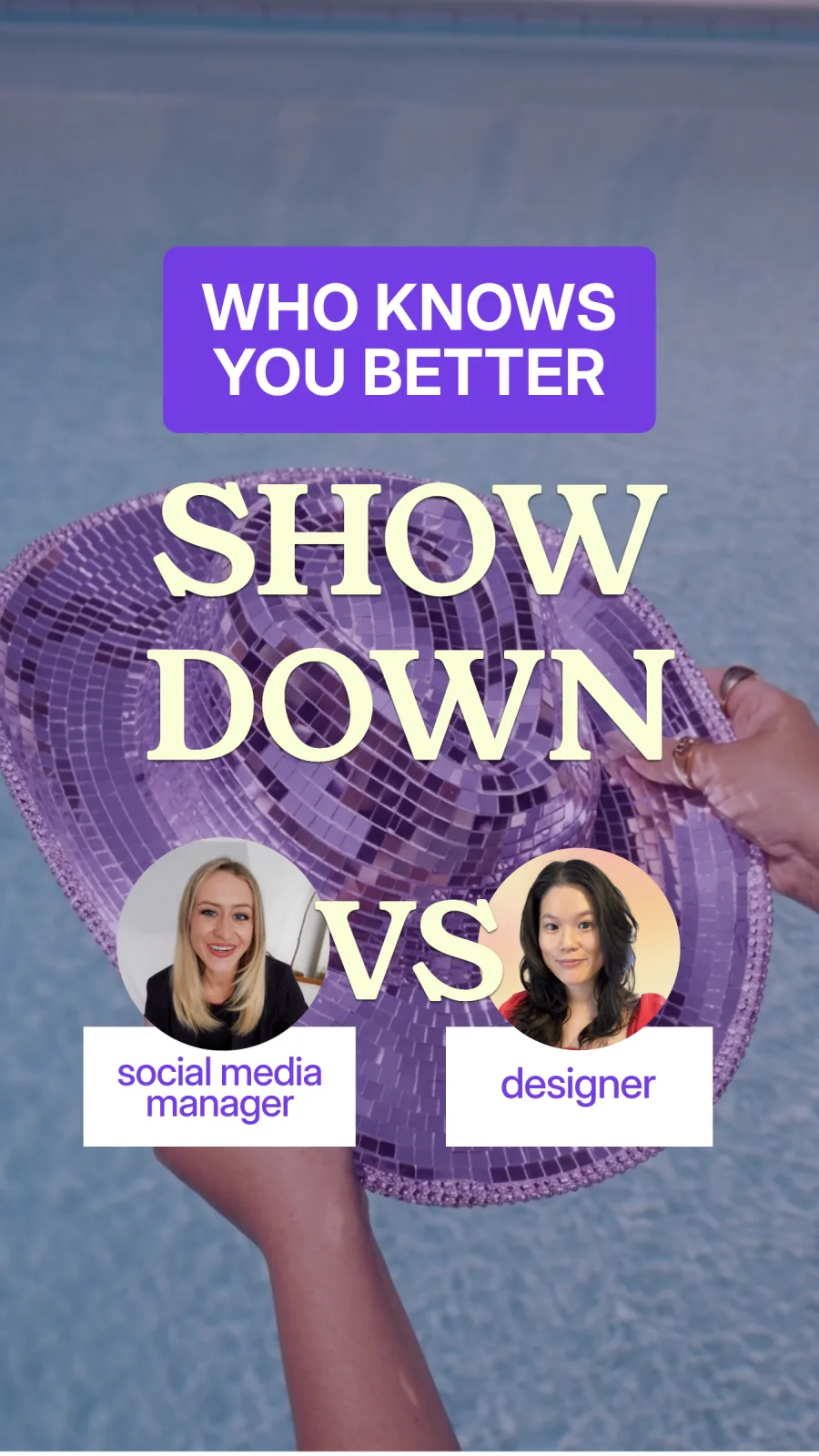
Captions got a rule anyone could follow. Busy footage gets a purple pill with white text. Dark footage gets yellow with a dark stroke. One line, every time. The exact values live in caption templates, so editors apply them and never set them by hand.
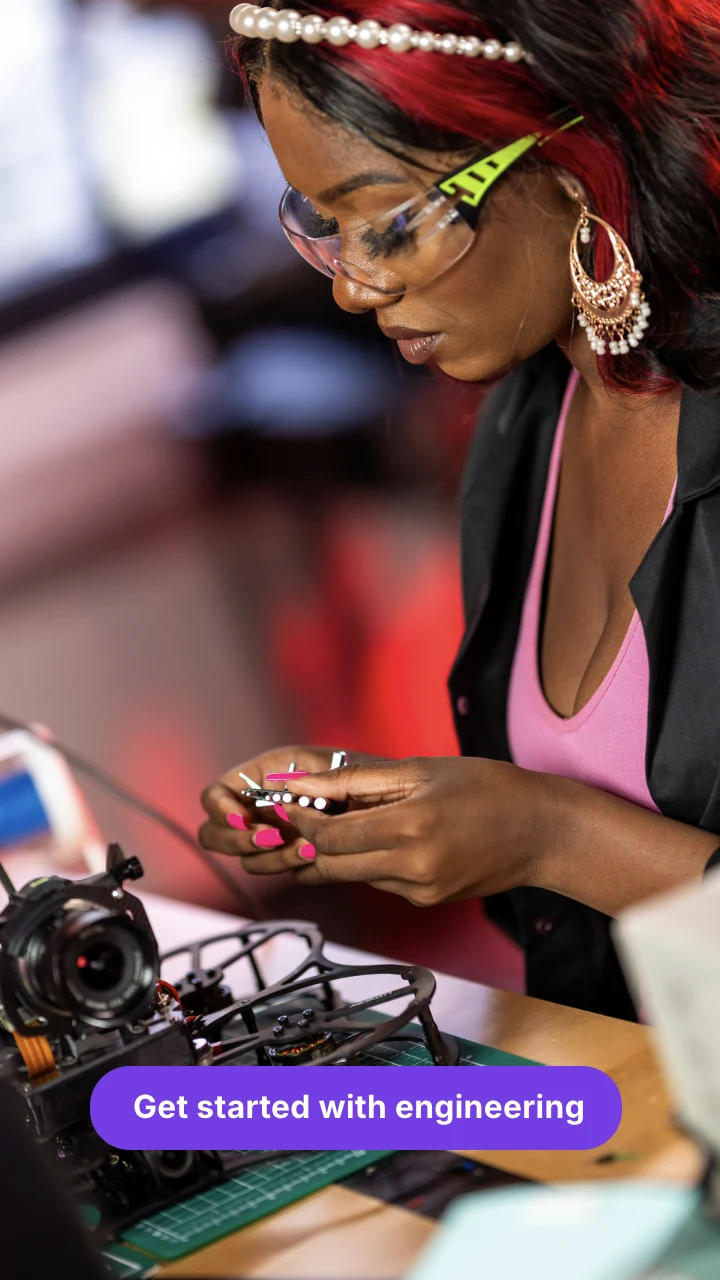
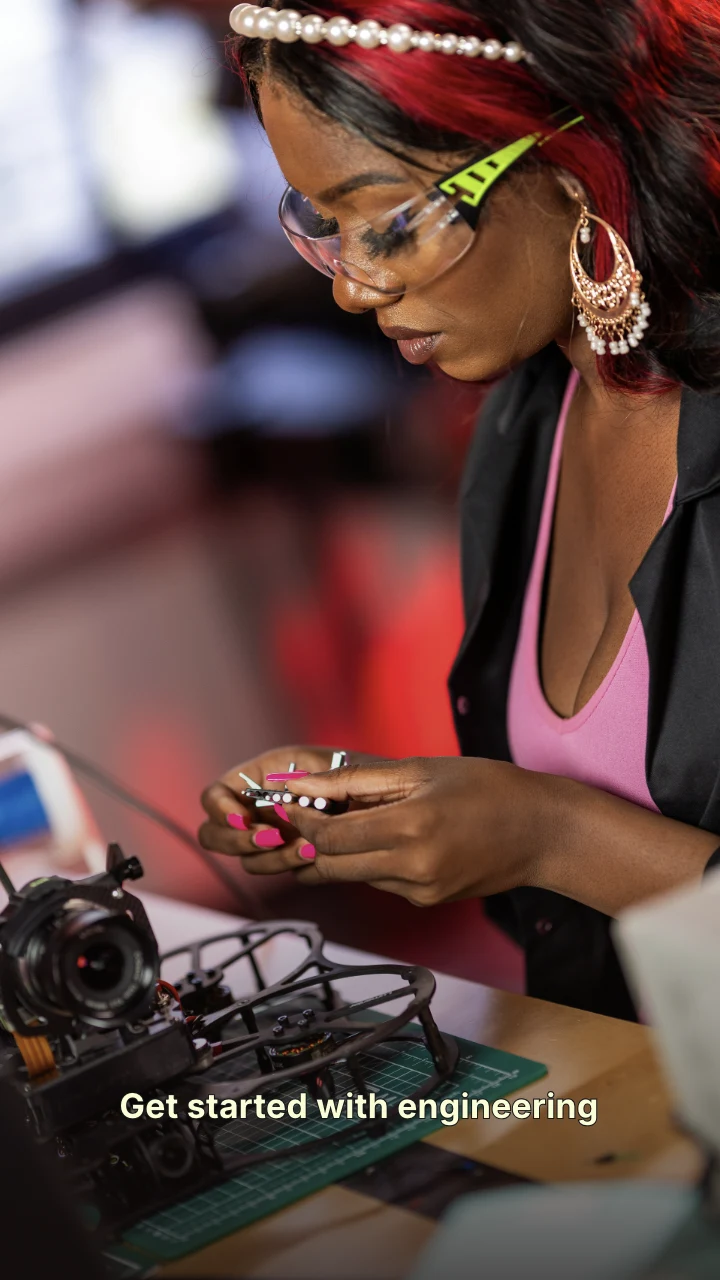
Purple pill, white text, beside caption yellow with a dark stroke. Same clip, same caption.
The tools got a vote too. Caprasimo had more personality as a display font, but it wouldn’t upload into CapCut, which would have broken the team’s editing workflow. Young Serif won.
05 Reflection
Stories worth someone’s 3 minutes
I started in film school at UT Austin and made game cinematics for BioWare and Trion Worlds. Gamers had already picked up the controller, so the story mostly had to keep them. At Tallo, I had three minutes to make a young person care about a decision they might not be thinking about yet.
Tallo taught me the other half too. A good cut helps one video. A standard helps every video made after it, by people who never got to ask me why. So when we hit something with no rule, I make the call, say the reason out loud, and write it down.
That’s the work I want to keep doing: stories worth someone’s three minutes, and standards strong enough to outlast the person who wrote them.